
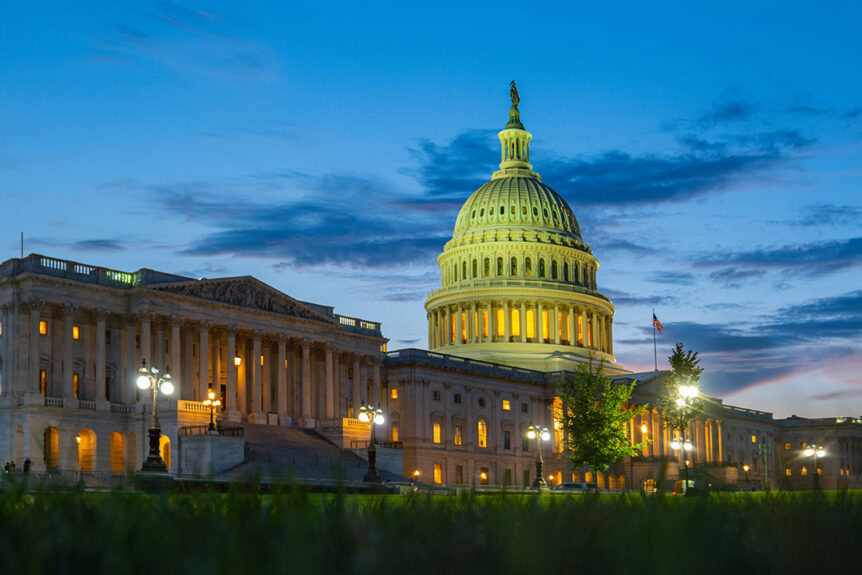
As the January 30th funding deadline looms, Congress is working to finalize a comprehensive budget package that would give the Federal Aviation Administration (FAA) its largest funding increase in years. The proposal comes at a critical moment for an agency grappling with staffing shortages, aging infrastructure, and the constant pressure of managing the world’s busiest airspace.
What’s at Stake: A $22.2 Billion Investment
The House of Representatives is considering an appropriations bill that would allocate approximately $22.2 billion to the FAA for fiscal year 2026, a $1.2 billion increase over the previous year. This represents one of the most significant year-over-year funding boosts the agency has received in recent memory.
The money would replace the current continuing resolution, which has kept the government running on autopilot since the start of the fiscal year. While continuing resolutions prevent shutdowns, they also prevent agencies from launching new initiatives or making long-term commitments, exactly what the FAA needs to address its mounting challenges.
The Controller Crisis: 2,500 New Hires on the Horizon
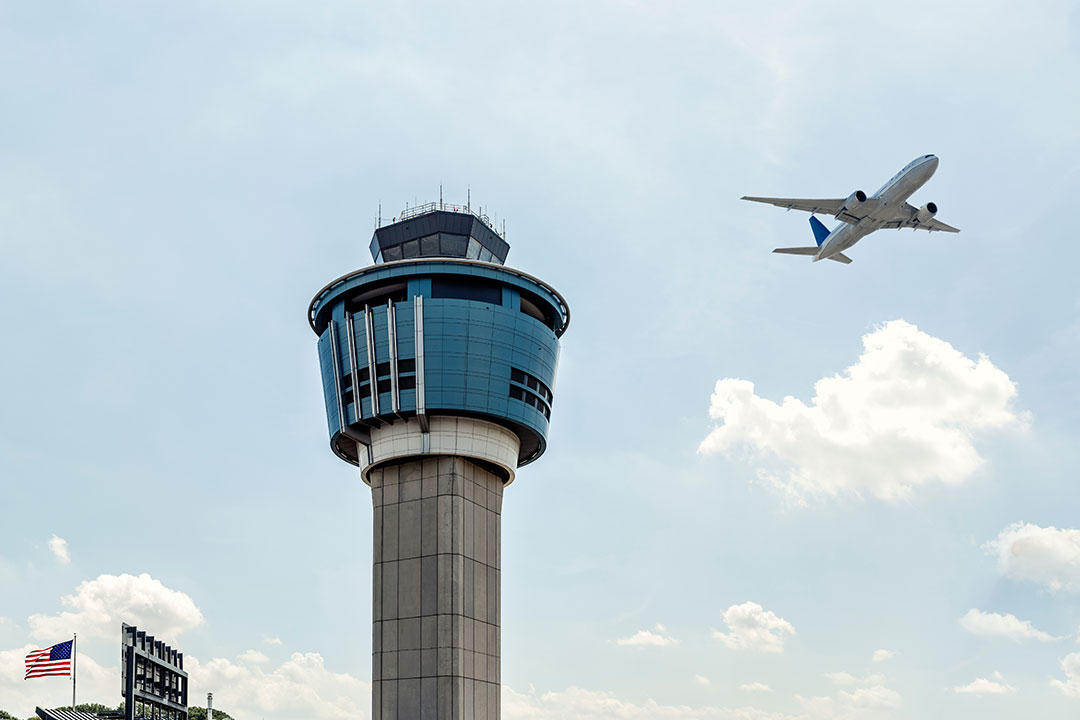
Air traffic controller tower at Laguardia airport in New York.
Perhaps the most pressing issue the budget aims to address is the chronic shortage of air traffic controllers. The legislation includes funding to hire approximately 2,500 new controllers.
This isn’t just about numbers. It’s about safety and sustainability. Major facilities across the country have been operating understaffed for years, forcing controllers to work mandatory overtime and extended shifts. The situation has contributed to delays, increased stress on the workforce, and concerns about long-term operational safety.
The Air Traffic Organization would receive an additional $235 million specifically earmarked for controller training, overtime costs, and operational improvements. These funds would help the FAA not only recruit new talent but also properly train and retain them, addressing a problem that has plagued the agency for more than a decade.
Modernizing an Aging System
Beyond staffing, the budget proposal dedicates roughly $4 billion to facilities and equipment upgrades. This includes critical modernization of radar systems, communications networks, and air traffic management technology, much of which is operating on systems designed decades ago.
The National Airspace System handles over 45,000 flights daily, and as air traffic continues to grow, the infrastructure supporting it needs to keep pace. Lawmakers have emphasized that these investments aren’t optional luxuries. They’re essential to maintaining the safety record that American aviation is known for.
The bill also directs more than $368 million in infrastructure funds to the Airport Improvement Program, which provides grants for runway improvements, safety enhancements, and capacity expansion projects at airports nationwide.
The Shutdown Risk: What Happens If Congress Fails to Act
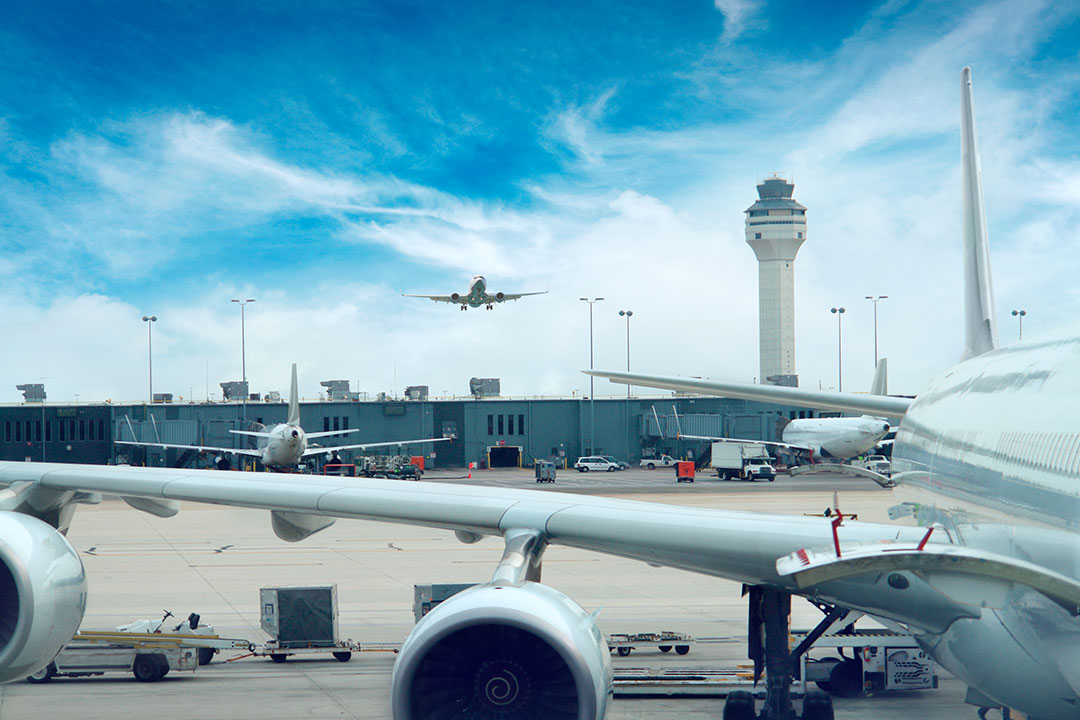
Dulles Airport in Washington DC, USA
If Congress doesn’t pass the appropriations package by January 30, parts of the federal government, including portions of the FAA, could face a partial shutdown. While essential air traffic control operations would continue during a shutdown, many critical functions would not.
Aircraft certification activities would be delayed or suspended. Safety inspections and oversight work would slow down. Training programs for new controllers and technicians would be put on hold. For an industry that depends on regulatory predictability and timely approvals, even a brief shutdown creates cascading problems that can take months to resolve.
Aviation industry groups have warned repeatedly that these funding disruptions, even when resolved quickly, undermine the long-term planning necessary to manage complex infrastructure projects and workforce development programs.
What Comes Next
The House is expected to vote on the consolidated appropriations package before the end of January. If it passes, the Senate will need to approve the measure or negotiate changes before the January 30 deadline. Given the tight timeline and the complexity of the legislation, the coming days will be critical.
For airlines, airports, general aviation operators, and the traveling public, the stakes are high. A fully funded FAA means more controllers in towers, better equipment in facilities, and fewer disruptions from funding uncertainties. It means safety inspectors can do their jobs, new aircraft can be certified on schedule, and long-term infrastructure projects can move forward with confidence.
As Congress debates the details, one thing is clear: the aviation system that millions of Americans depend on every day needs consistent, adequate funding to operate safely and efficiently. Whether lawmakers can deliver that before the clock runs out remains to be seen.
Frequently Asked Questions
How is the FAA funded?
The FAA receives funding through the annual congressional appropriations process. A significant portion comes from the Airport and Airway Trust Fund, which is supported by aviation-related taxes and fees paid by airlines and passengers.
What happens to the FAA during a government shutdown?
Essential functions like air traffic control continue during a shutdown, but many important activities stop. Aircraft certification, safety inspections, training programs, and administrative functions are typically suspended until funding is restored.
Why is air traffic controller staffing such a critical issue?
Many FAA facilities have been operating understaffed for years due to retirements, attrition, and the lengthy training process for new controllers. This creates operational stress, increases overtime costs, and can contribute to delays and safety concerns.
When will Congress vote on the FAA budget?
The House is expected to vote on the appropriations package before the end of January 2026. The Senate must then act before the January 30 deadline to avoid a government shutdown.