
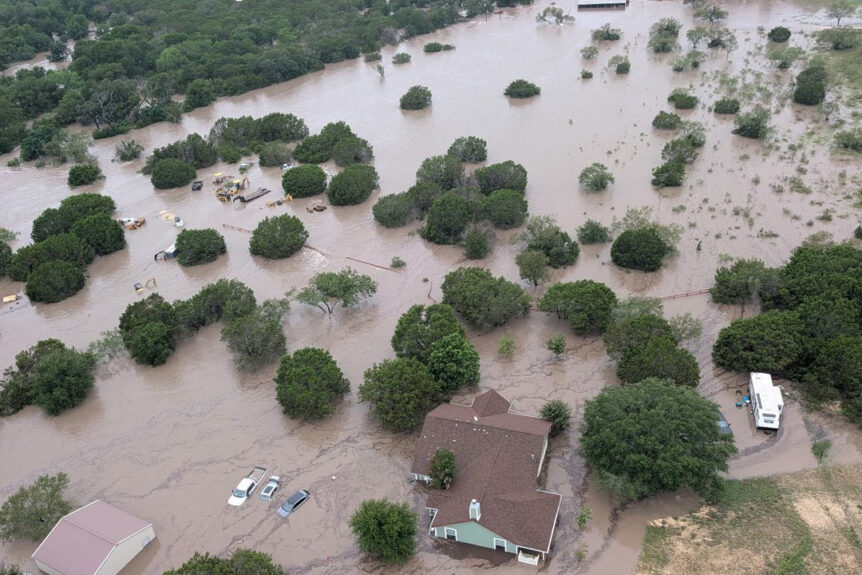
After the devastating July 2025 floods in Central Texas, the aviation industry quickly mobilized to provide crucial support. General aviation pilots delivered essential supplies while advanced aircraft conducted aerial surveys, making aviation flood relief efforts vital to the ongoing recovery process.
The Catastrophic Impact of the Texas Floods
During the Fourth of July weekend, Central Texas faced unprecedented flooding from torrential rains that caused the Guadalupe River to rise 26 feet in just 45 minutes. The disaster claimed at least 129 lives with many more missing, while causing widespread damage across Kerr County and nearby areas. Hardest hit were communities including Kerrville, Hunt, and Ingram, which triggered a massive emergency response.
General Aviation Pilots: Frontline Responders
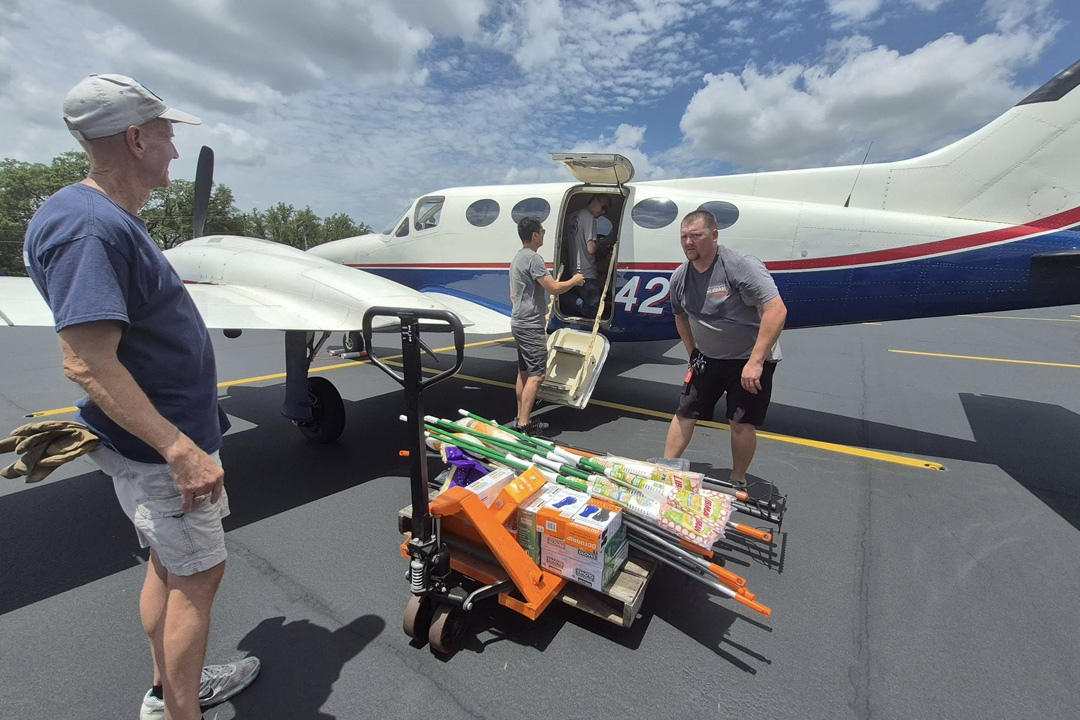
29 aircraft and an incredible team of ground volunteers took to the skies and highways as part of Operation Airdrop’s ongoing relief mission. | Photo: facebook.com/opairdrop
General aviation pilots became crucial first responders following the floods. Texas based nonprofit Operation Airdrop coordinated volunteer pilots to deliver urgent supplies to affected areas. Collection points at Burnet Municipal Airport (BMQ) and Addison Airport (ADS) gathered donations including chainsaws, shovels, cleaning supplies, and N95 masks, which aircraft then transported to disaster zones, showcasing the GA community’s agility.
Pilot Colton Miller exemplified this effort, flying a King Air loaded with relief supplies from McKinney National Airport to BMQ. His actions, like those of many volunteer pilots, demonstrated the aviation community’s dedication during crises.
NASA’s Technological Contribution
NASA significantly aided flood relief by deploying specialized aircraft with advanced imaging technology. Their high altitude WB 57 aircraft used DyNAMITE sensors to capture high resolution images for damage assessment, while the Gulfstream III’s UAVSAR radar system mapped flood extents and infrastructure damage, even detecting impacts hidden by vegetation.
These efforts were part of NASA’s Disasters Response Coordination System, working with FEMA and Texas emergency management to support operations.
Military and Government Aviation Support
The Texas Military Department deployed MQ 9 Reaper drones from the 147th Attack Wing to assist search and rescue. These unarmed drones provided real time aerial imagery that improved situational awareness for ground crews locating flood victims and assessing damage.
However, unauthorized drone activity created challenges when a private drone collided with a rescue helicopter, prompting the FAA to impose temporary flight restrictions over affected areas.
Corporate and Nonprofit Aviation Initiatives

Business Aviation Snaps Into Action | Photo: nbaa.org
Major airlines and aviation organizations also supported relief efforts. American Airlines assembled 2,000 care packages for first responders while coordinating additional aid. Nonprofits like Wings of Rescue partnered with Austin Pets Alive! and Best Friends Animal Society to airlift 127 shelter pets to safety from flood zones, protecting animals and making space for newly displaced pets. and Volunteerism
The aviation response extended beyond professionals as local residents and volunteers donated supplies, assisted logistics, and supported ground operations. This collective effort demonstrated community power and aviation’s critical disaster response role.
A United Response: What We Can Learn
The Texas flood response highlighted aviation’s emergency role through combined efforts of general aviation pilots, government agencies, corporations, and volunteers. These aviation flood relief operations delivered essential support while setting precedents for future disaster responses, showcasing the industry’s rapid mobilization capacity and compassionate action.
For those interested in contributing to ongoing relief efforts, organizations like Operation Airdrop and the Kerr County Flood Relief Fund continue accepting donations and volunteer support.