
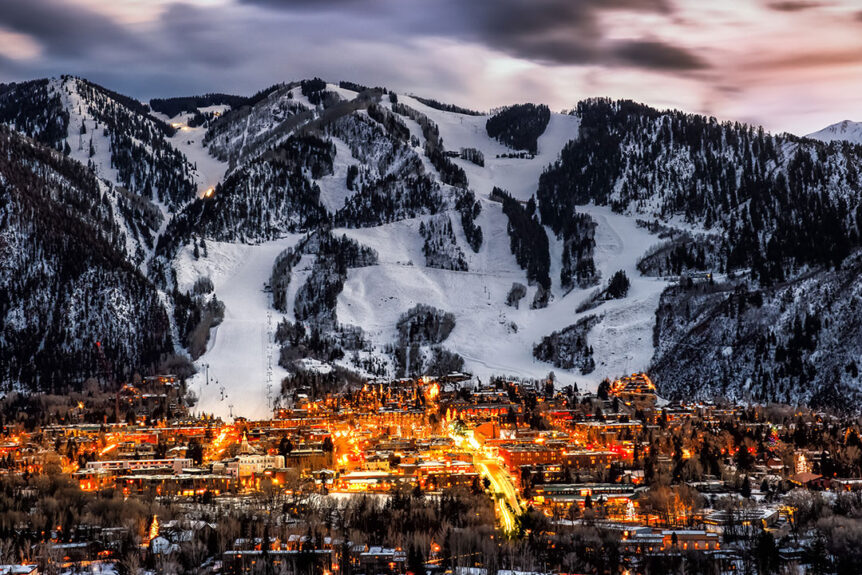
Aspen is synonymous with ski season, high-profile events, and tight schedules. Chartering a private jet can simplify the journey, but Aspen/Pitkin County Airport (ASE) is a high-altitude mountain airport where winter conditions and performance requirements matter. This guide covers aircraft selection, operational realities, and planning best practices for a smooth arrival.
Why Aspen requires more deliberate aircraft planning

Aspen, Colorado
ASE sits at approximately 7,820 feet elevation, which can impact aircraft performance, especially in winter conditions and at certain weights. The airport also has operational considerations that can affect arrivals and departures.
- High elevation: Higher density altitude can reduce takeoff and climb performance, influencing allowable payload and fuel planning. Details are published by Aspen/Pitkin County Airport.
- Mountain weather variability: Snow, wind, and rapidly changing visibility are common in mountain environments. The FAA notes that mountainous terrain can generate rapidly changing weather and strong winds, which can impact flight planning and alternates.
- Instrument approach and operational constraints: ASE has published procedures and airport guidance that operators must follow, including items that can affect scheduling flexibility.
Choosing the right jet category for Aspen
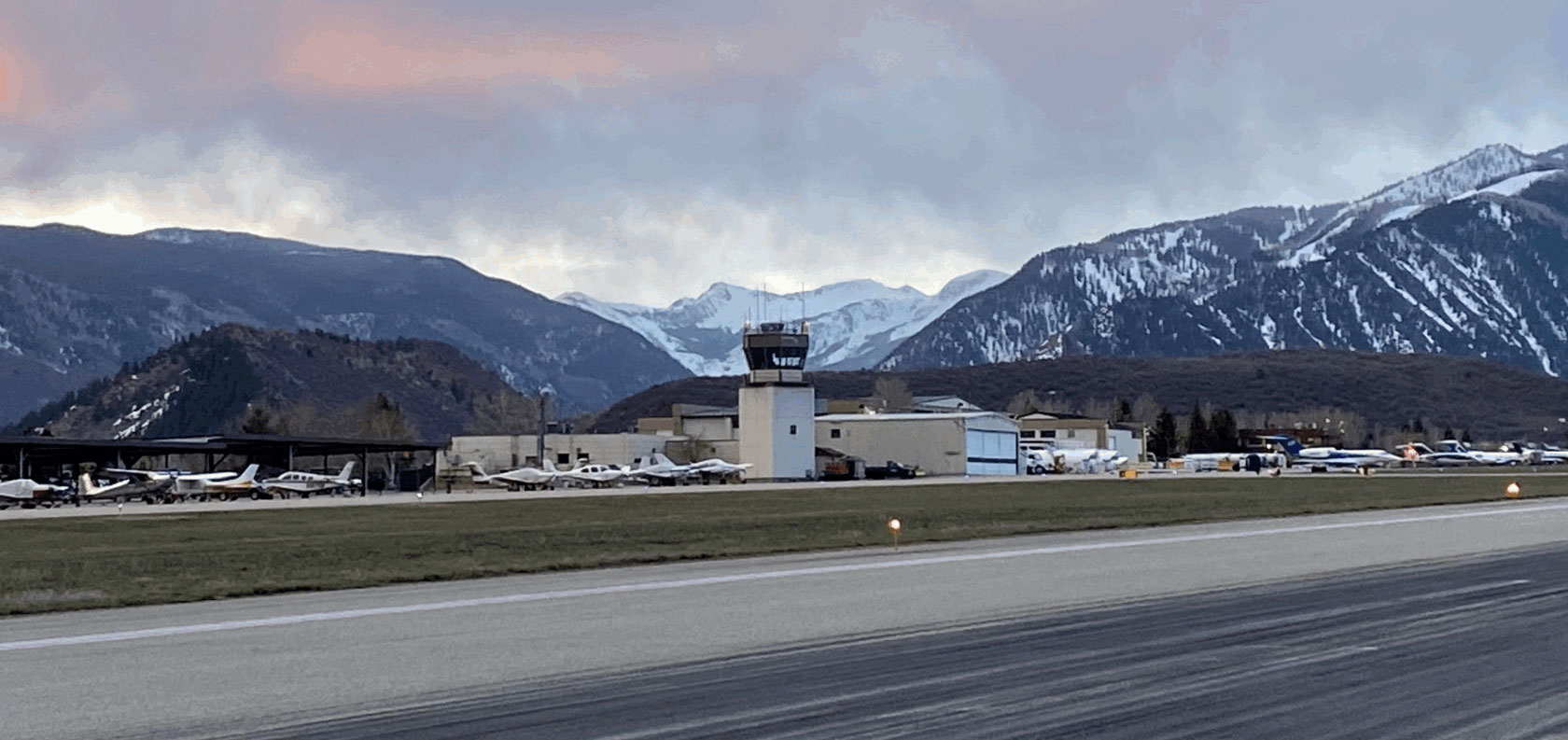
ASE’s Air Traffic Control Tower with several small planes and jets parked at terminals. | Photo: aspenairport.com
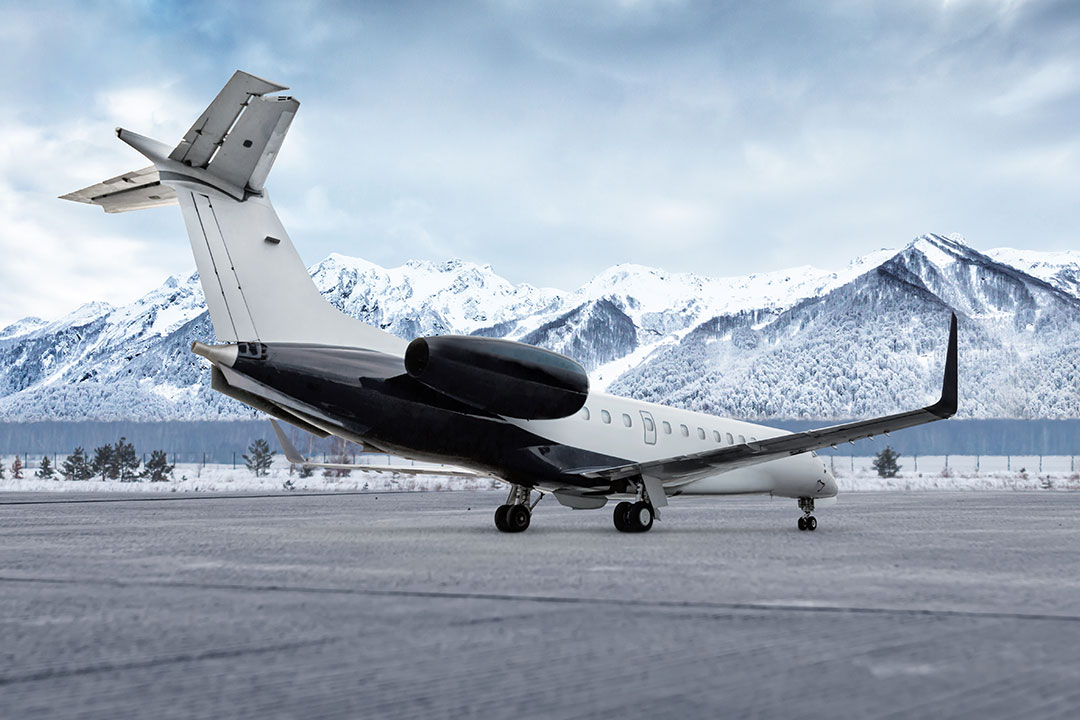
Aircraft choice should be based on passenger count, range, baggage needs for winter gear, and the day’s forecast. Performance and operational approvals also matter at mountain airports. For most winter trips into ASE, midsize jets tend to offer the strongest all-around balance, but the right choice depends on your specific group and conditions.
Light Jets
- Best for: 2–6 passengers, shorter regional hops, and travelers prioritizing efficiency.
- Considerations: Baggage capacity can be tight with ski gear, and payload-range tradeoffs can be more pronounced at high elevation in winter.
Midsize & Super-Midsize Jets
- Most Versatile for ASE
- Best for: 5–9 passengers, more luggage, and longer legs with comfortable cabin space.
- Considerations: Often a strong balance of cabin comfort, range, and performance flexibility for mountain operations, frequently the go-to category for winter ASE flights.
Heavy Jets
- Best for: Larger groups, maximum comfort, and longer itineraries with more bags.
- Considerations: Adjusting payload and fuel strategy is standard practice at mountain airports, and crews may file alternates more frequently depending on conditions, all in line with FAA-filed procedures and safety margins.
Winter operations: what can affect your schedule
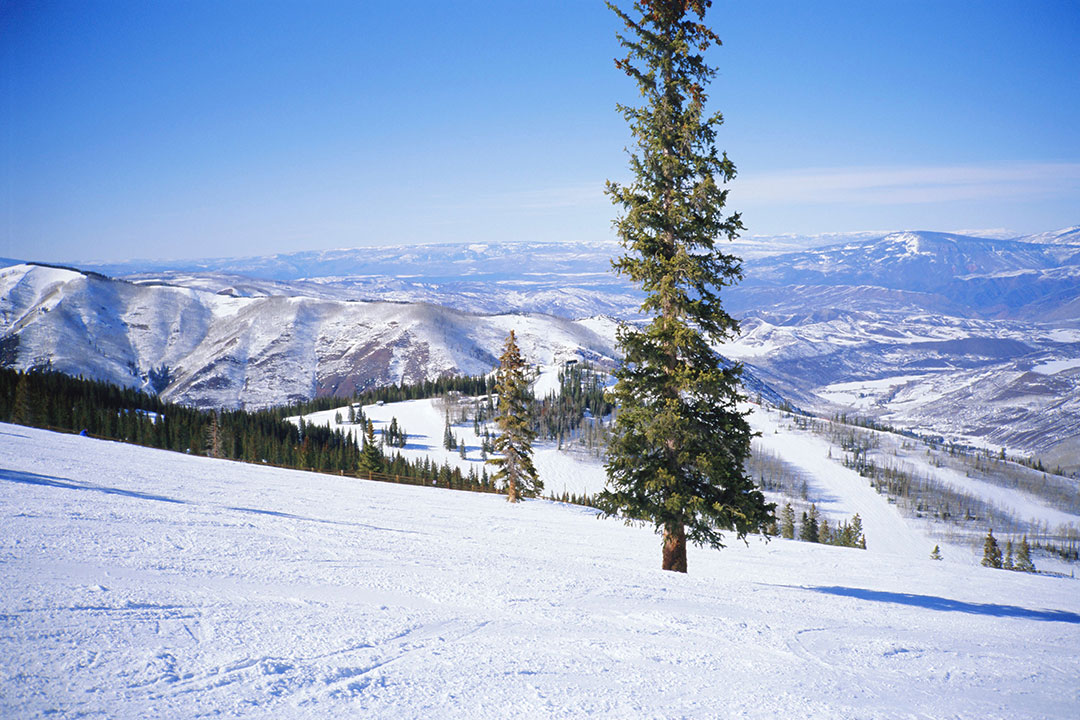
Snowmass ski area near Aspen.
Even with private aviation’s flexibility, winter flying into mountain airports benefits from proactive planning. The goal is not only to arrive, but to arrive on time with minimal disruption.
- Alternate airport planning: When weather at ASE is uncertain, crews may file alternates to comply with IFR planning rules and safe fuel reserves.
- Deicing and ground time: Snow and freezing conditions can introduce additional ground handling steps. The FAA provides operational guidance on aircraft icing and deicing safety considerations.
- Payload and baggage strategy: Ski bags and winter luggage add volume and weight, which can influence aircraft choice and whether a tech stop is prudent.
- Arrival and departure timing: Mountain winds and visibility can change by the hour. Scheduling flexibility can materially improve the success rate of getting into ASE as planned.
Pro planning tips for a seamless Aspen charter
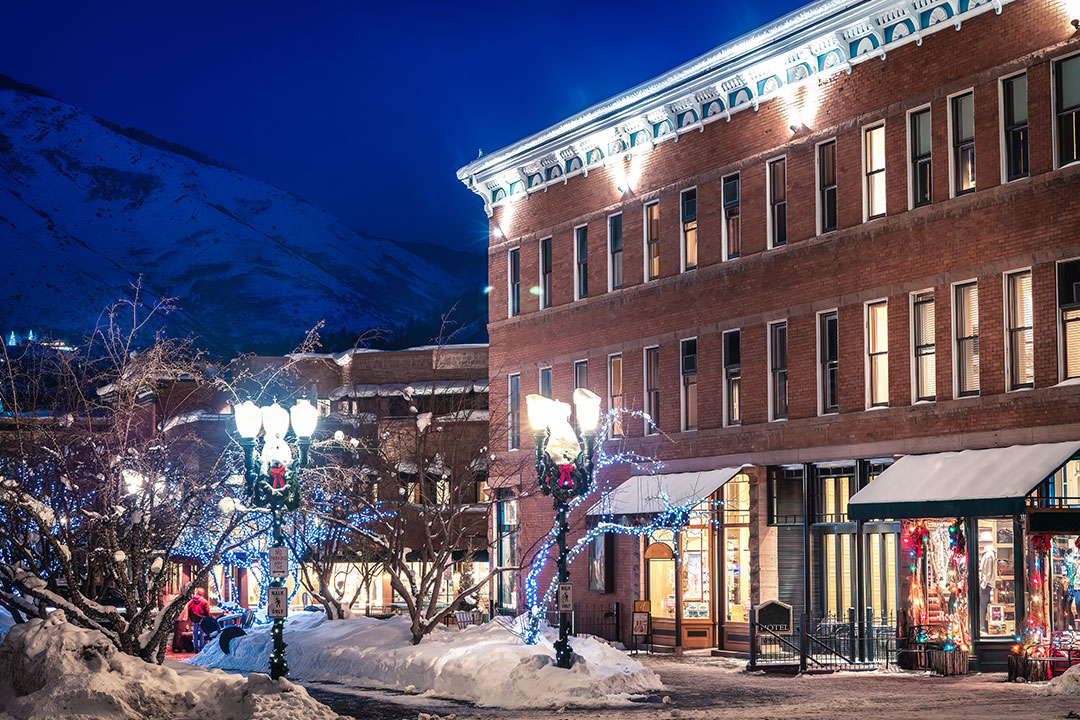
A winter street in Aspen.
Travelers heading to Aspen often prioritize schedule reliability and a seamless experience. These tactics help protect your itinerary.
- Build a buffer on peak days: During holidays and event weekends, allow extra time for potential flow restrictions and winter handling.
- Confirm luggage details early: Provide passenger count, ski gear count, and bag dimensions so the aircraft can be matched correctly.
- Plan a backup arrival option: If conditions are marginal, consider identifying a nearby alternate in advance for ground transfer continuity.
- Prioritize operators experienced in mountain airports: Aspen’s environment rewards crews and operators familiar with high-altitude procedures and winter ops.
Book your Aspen private jet with Flex Air Charters
Contact Flex Air Charters to schedule your private jet charter to Aspen, Colorado.
Flex Air Charters can help you select the right aircraft category for your passenger count, baggage needs, and winter operating conditions, while coordinating schedule-friendly options and contingencies.
Contact Flex Air Charters to request a tailored quote for your next private jet to Aspen and enjoy a smoother, more predictable trip from wheels up to chalet arrival.