
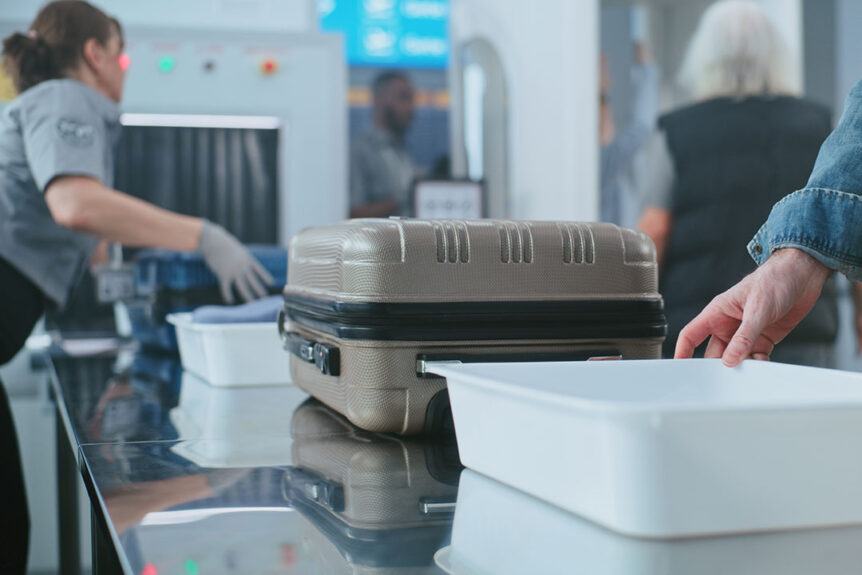
TSA vs Private Jet Security is an increasingly relevant comparison for travelers who value time, reliability, and a seamless airport experience. As commercial air travel faces ongoing challenges such as long security lines, staffing shortages, and government disruptions, private jet security offers a fundamentally different and more efficient approach.
Understanding the real difference between TSA screening and private jet security helps explain why more travelers are turning to private aviation for both convenience and consistency.
How TSA Screening Works Today
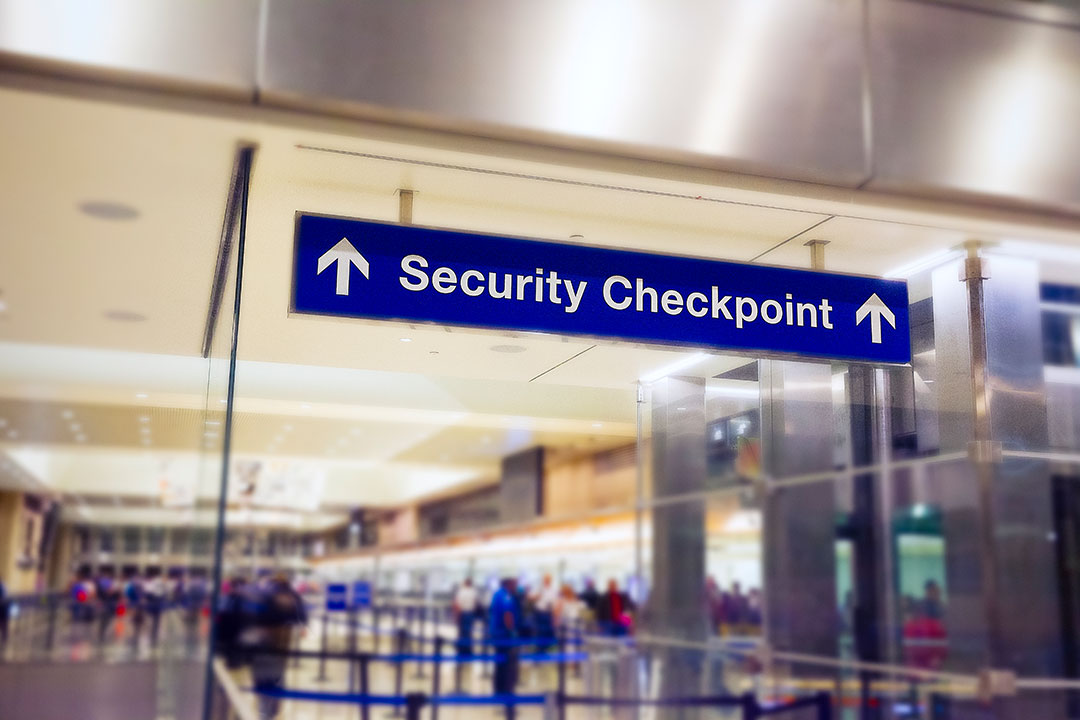
entrance at an airport security checkpoint
The Transportation Security Administration (TSA) is responsible for screening millions of passengers daily across U.S. airports. While the system is designed for large-scale security, it often comes with significant inefficiencies.
Recent events have highlighted these challenges. During the 2026 Department of Homeland Security shutdown, TSA operations were impacted by staffing shortages and increased absenteeism. Travelers experienced security wait times exceeding 4.5 hours at some major airports.
Wait times frequently stretched to multiple hours, causing missed flights and widespread frustration. Meanwhile, a surge in TSA employee absences during the shutdown, further compounding delays.
Common Challenges with TSA Screening
- Long and unpredictable wait times
- Heavy reliance on government staffing and funding
- Crowded checkpoints and congested terminals
- Increased delays during peak travel periods
For many travelers, these factors require arriving at the airport hours in advance, with no guarantee of a smooth or timely experience.
How Private Jet Security Is Different
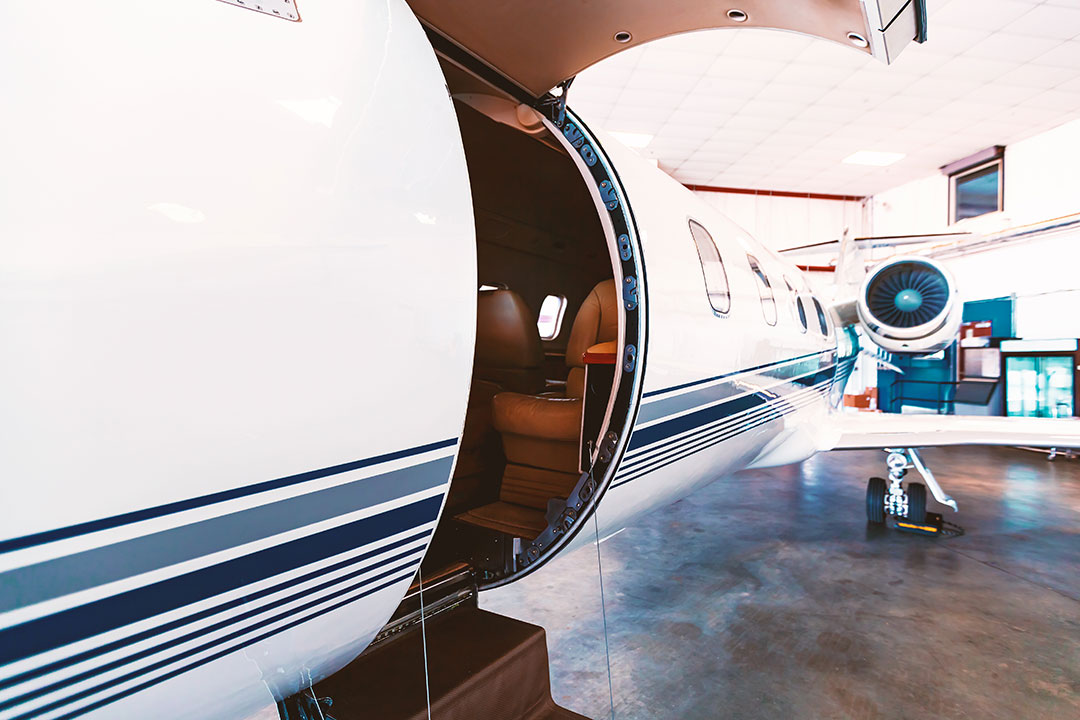
A private jet with an open door at its FBO.
Private jet security operates under a completely different model. Instead of centralized TSA checkpoints, passengers depart from private terminals known as Fixed Base Operators, or FBOs. These facilities offer a controlled and low-traffic environment designed for efficiency and discretion.
Security measures in private aviation still comply with federal regulations but rely on passenger vetting, flight manifests, and operator oversight rather than mass screening procedures.
What Makes Private Charter Security More Efficient
- No TSA lines or large crowds
- Arrival typically 15 to 30 minutes before departure
- Direct access to the aircraft
- Streamlined and discreet screening processes
Because private flights involve smaller passenger groups and pre-screened manifests, the process is both faster and more predictable without sacrificing safety.
Reliability During Government Disruptions
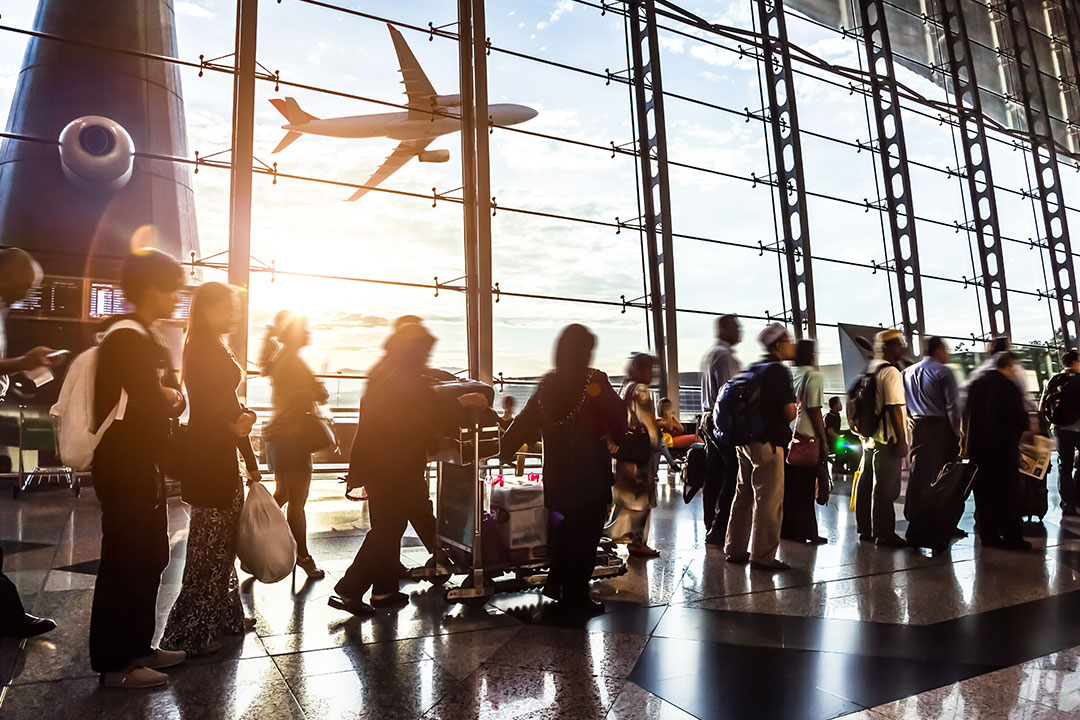
Passengers line up at an airport security checkpoint.
One of the most important distinctions in the TSA vs Private Charter Security comparison is reliability. TSA operations are directly tied to federal funding, making them vulnerable during government shutdowns or budget constraints.
The 2026 DHS shutdown disrupted airport operations nationwide, leading to extended wait times and suspended services.
Private aviation, however, operates independently of TSA staffing levels. Travelers flying private are not affected by federal workforce shortages, allowing them to maintain consistent schedules regardless of broader disruptions.
Time Savings and Travel Efficiency
Time efficiency is one of the most noticeable differences between TSA screening and private jet security. Commercial travelers are often advised to arrive at least two hours before domestic flights and even earlier for international departures.
Private charter passengers, on the other hand, can arrive shortly before departure and board almost immediately. This eliminates unnecessary waiting and significantly reduces total travel time.
For business travelers and families alike, this level of efficiency translates into a more productive and less stressful journey.
Privacy and Passenger Experience
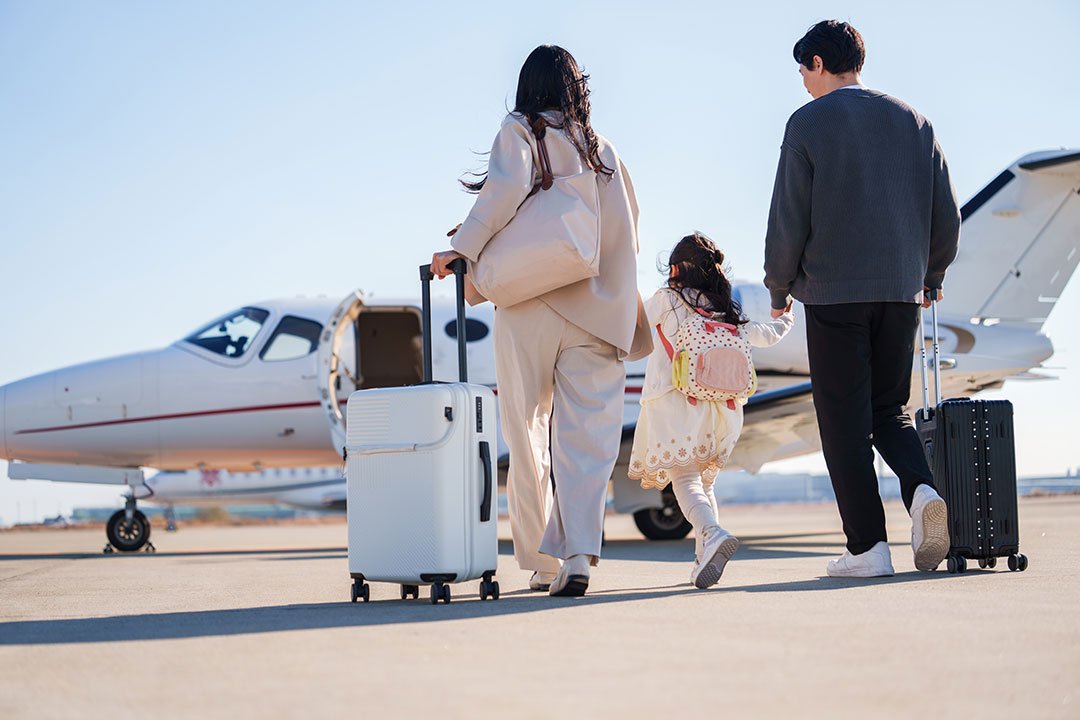
A family walks directly to their private jet flight with luggage in hand.
TSA checkpoints are inherently public, requiring passengers to move through crowded lines and shared screening areas. This can be inconvenient for travelers seeking privacy or a more comfortable experience.
Private jet security offers a more controlled and discreet environment:
- Private terminals with limited access
- Personalized handling of passengers and luggage
- Minimal exposure to crowds
This approach enhances both comfort and security, particularly for executives, high-profile individuals, and families traveling with children or pets.
Why the Difference Matters More Than Ever
As commercial air travel continues to face operational challenges, the gap between TSA screening and private jet security is becoming more apparent. Delays, unpredictability, and dependence on government systems are leading more travelers to explore alternative options.
Private charter provides a solution that prioritizes control, efficiency, and reliability. By removing many of the variables associated with commercial airports, it offers a more consistent and elevated travel experience.
A Better Way to Approach Air Travel Security

Skip the wait in TSA security lines by booking a private jet charter.
The real difference between TSA screening and private jet security comes down to how each system is designed. TSA is built for scale, while private charter is built for efficiency and personalization.
For travelers who want to avoid long lines, reduce uncertainty, and maintain control over their schedules, private aviation presents a clear advantage. It is not simply about luxury. It is about choosing a smarter and more dependable way to travel. As demand for seamless travel continues to grow, private charter security is setting a new standard for what modern air travel can look like.
With Flex Air Charters, you can bypass TSA lines entirely, arrive minutes before departure, and travel on your schedule with complete confidence. Whether you are flying for business or leisure, our team delivers a streamlined, secure, and fully customized private aviation experience from start to finish.
Request a quote today and experience the difference firsthand.