
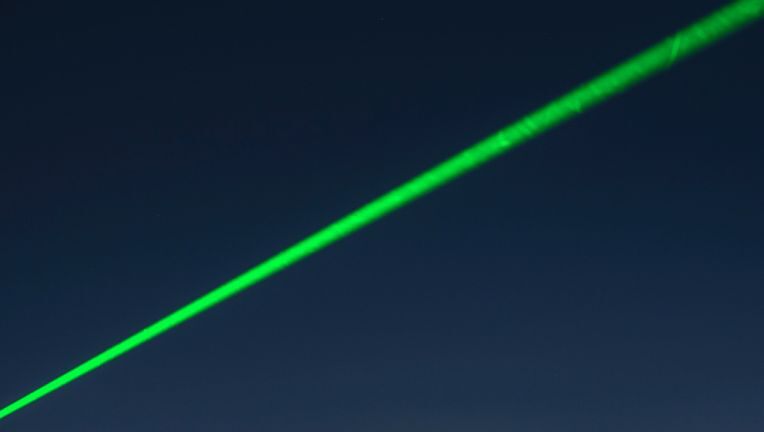
On February 6, 2021, a dangerous laser strike on aircraft occurred when a man aimed a high-powered green laser into the cockpit of a Florida police aircraft. Officer J.C. Pollack, piloting the plane, was preparing to land at Orlando Executive Airport when the laser light struck his cockpit, temporarily blinding him and jeopardizing the safety of the flight.
Pollack described the blinding moment in his police report, explaining that it took him several seconds to regain his vision. During that time, he attempted to locate the source of the beam. After scanning the area through his cockpit window, he spotted the bright laser coming from a nearby construction site—where it was aimed at him a second time, worsening the situation.
Shining a laser at an aircraft is a serious offense under Florida law. Such actions are classified as a felony due to the high risk they pose to aviation safety. Pilots struck by lasers can experience temporary blindness, severe disorientation, and in extreme cases, loss of control of the aircraft—potentially leading to deadly crashes.
The incident led to the arrest of 47-year-old Guillermo Negron Roque. Police charged him with aiming the laser at a law enforcement aircraft. Although Roque admitted to shining the laser into the Florida Highway Patrol plane’s cockpit, he claimed his actions were unintentional, according to Officer Pollack’s official report. At the time of the report, Roque remained in custody at the Orange County Corrections Department, and no attorney had been identified or reached on his behalf.
The effects of a laser strike on aircraft crew can be debilitating. While permanent eye damage from such incidents is rare, pilots may suffer from excessive tearing, visual floaters, headaches, and momentary vision loss—all of which can impair a pilot’s ability to fly safely. The severity of these symptoms often depends on the duration and intensity of the laser exposure.
Laser strikes have become an increasing concern for aviation and law enforcement agencies across the United States. According to the Federal Aviation Administration (FAA), thousands of laser incidents are reported each year, with many involving commercial and law enforcement aircraft. These attacks typically occur during takeoff or landing, when pilots are most vulnerable and close to urban areas where perpetrators may be located.
In response to the growing threat, the FAA and local authorities have launched public awareness campaigns to educate the public about the dangers and legal consequences of pointing lasers at aircraft. Individuals found guilty of laser-related offenses can face severe penalties, including hefty fines and prison time.
This particular case highlights the urgent need for continued vigilance and tougher enforcement. Pilots must remain alert to potential threats, while communities need to understand that seemingly harmless pranks involving lasers can have devastating outcomes.
Thankfully, Officer Pollack was able to land safely despite the temporary visual impairment, preventing what could have been a serious accident. The swift identification and arrest of the suspect underscore law enforcement’s commitment to protecting those who fly—and those who rely on air services for safety and transportation.
Photo Credit: Getty Images