

Beating jet lag is possible with the right strategies. While a part of long haul travel, smart timing, light exposure, and movement can help your body reset faster and let you start exploring sooner.
Jet lag is a temporary sleep issue when your internal body clock does not match your new time zone. It causes fatigue, poor sleep, and trouble concentrating. The good news is that your actions before, during, and after your flight can greatly reduce its impact.
What Jet Lag Does To Your Body
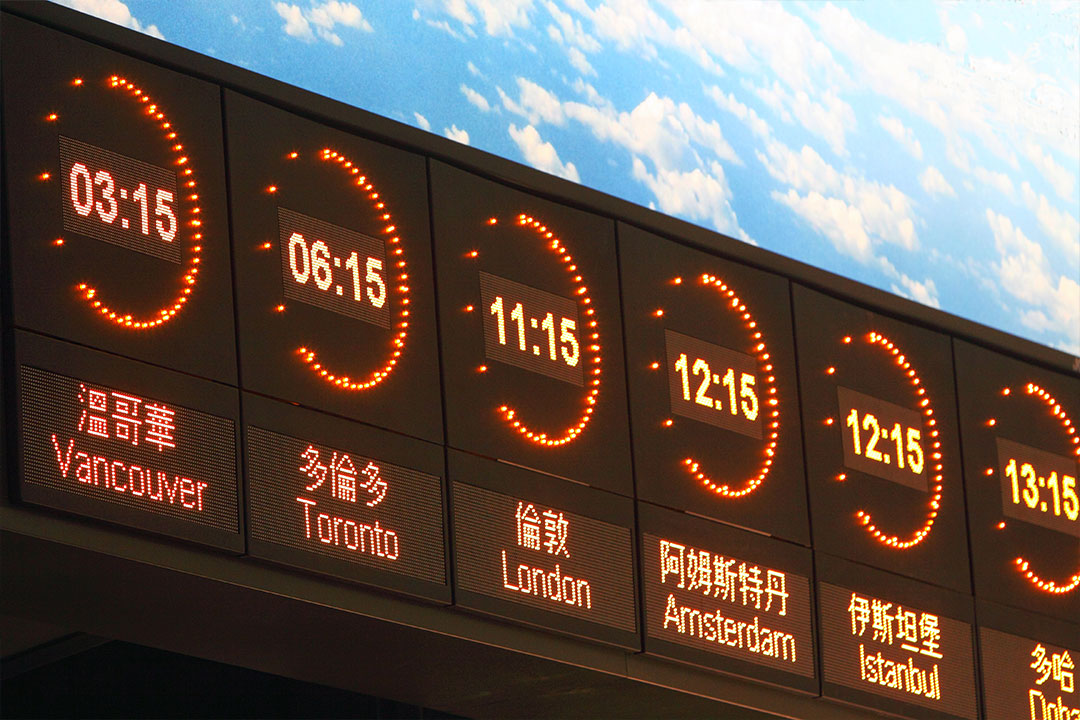
Jet lag stems from a temporary mismatch between your body clock and destination time.
Your body runs on a circadian rhythm. Crossing time zones confuses this clock. Symptoms include daytime fatigue, sleeplessness, headaches, and digestive issues. Flying east is often harder than flying west, as forcing an earlier bedtime is more difficult than staying up later.
Before You Fly: Prepare Your Body
Start adjusting days before you leave.
- Shift Your Sleep Schedule • In the days before your trip, gradually adjust your bedtime toward your destination’s schedule. Move it by an hour each day. Even small shifts help your body clock prepare.
- Start Rested and Hydrated • Do not start your trip exhausted. Being well rested is more effective than trying to catch up on the plane. Begin hydrating the day before your flight, as cabin air is very dry.
- Limit Alcohol • While tempting, alcohol disrupts sleep cycles and worsens dehydration, prolonging jet lag.
On The Plane: Smart Habits

Sleep based on your destination’s time. If it’s night there, use a travel pillow, mask, and earplugs to rest. If it’s day, keep naps under 30 minutes.
Your choices in the air set the stage for your arrival.
- Live on Destination Time • Set your watch to your destination’s time as soon as you board. Plan your sleep, meals, and activity around this new schedule.
- Sleep Strategically • Only sleep on the plane if it is nighttime at your destination. Use a neck pillow, eye mask, and earplugs. If it’s daytime there, limit naps to 20-30 minutes.
- Move and Eat Lightly • Stand, stretch, and walk when possible. Choose light meals and snacks over heavy, salty foods to avoid feeling sluggish.
After Landing: Reset Fast

Success depends on how you manage your first day.
The first 24 hours are crucial for resetting your clock.
- Stick to Local Time • Force yourself to follow the local meal and sleep schedule immediately. If you must nap, keep it under 30 minutes.
- Use Sunlight Wisely • Sunlight is your most powerful tool. Get morning light after eastbound flights to encourage an earlier bedtime. Seek afternoon light after westbound flights to help you stay up later. A walk outside is perfect.
- Use Sleep Aids Cautiously • Low dose melatonin may help if taken at the correct local bedtime. Prescription sleep aids do not reset your internal clock and can have side effects. Always consult a doctor first.
Helpful Products
A simple jet lag kit can increase comfort. Consider packing items often found in ready made recovery kits:
- A supportive neck pillow and eye mask
- Earplugs or noise cancelling headphones
- A refillable water bottle and electrolyte packets
- Compression socks for long flights
Some travelers use magnesium, which may support sleep quality, but check with a healthcare provider first.
Why Flight Timing Matters
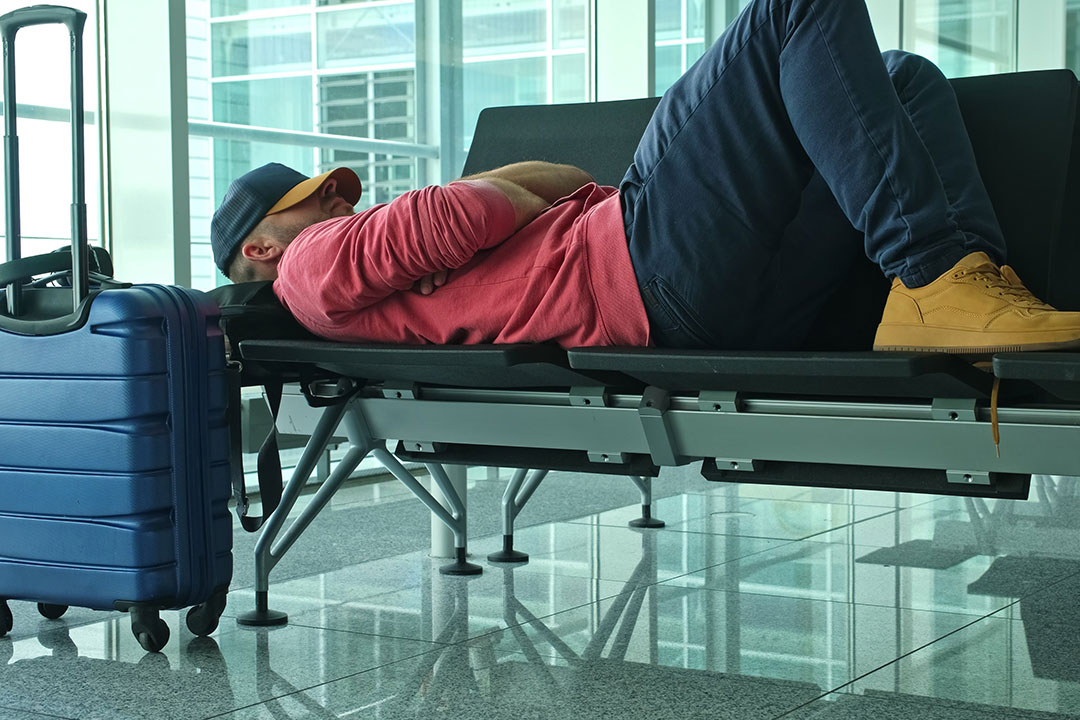
Airline schedules are not designed with your body clock in mind.
Commercial flight schedules often work against your body clock. With a private air charter, like Flex Air Charters, you can choose flights that arrive in the mid afternoon, giving you daylight and time to adjust before a normal local bedtime.
Essential Jet Lag Recovery Checklist for Travelers
| 1 | Shift your sleep and wake time a few days before you fly. |
| 2 | Start the trip rested and well hydrated. |
| 3 | Limit alcohol and heavy meals before and during the flight. |
| 4 | Set your watch to destination time as soon as you board. |
| 5 | Sleep on the plane only when it fits the new time zone. |
| 6 | Move often and stretch during long flights. |
| 7 | Follow local meal times and bedtimes on arrival. |
| 8 | Use sunlight and darkness to guide your body clock. |
| 9 | Use melatonin or other sleep aids only with medical advice. |
| 10 | Pack a simple jet lag recovery kit to improve comfort. |
You Can Bend Jet Lag In Your Favor
Is beating jet lag possible? Absolutely, with the right techniques.
Jet lag does not have to dictate the start of your journey. By viewing the strategies here as your personal blueprint, one that involves preparing your body in advance, making intentional choices in the air, and committing to the local rhythm upon landing, you shift from being a passive passenger to an active traveler in command of your own comfort.
This proactive approach turns what was once lost time into found energy, ensuring you arrive not just at a new destination, but ready to fully experience it from the very first moment.