
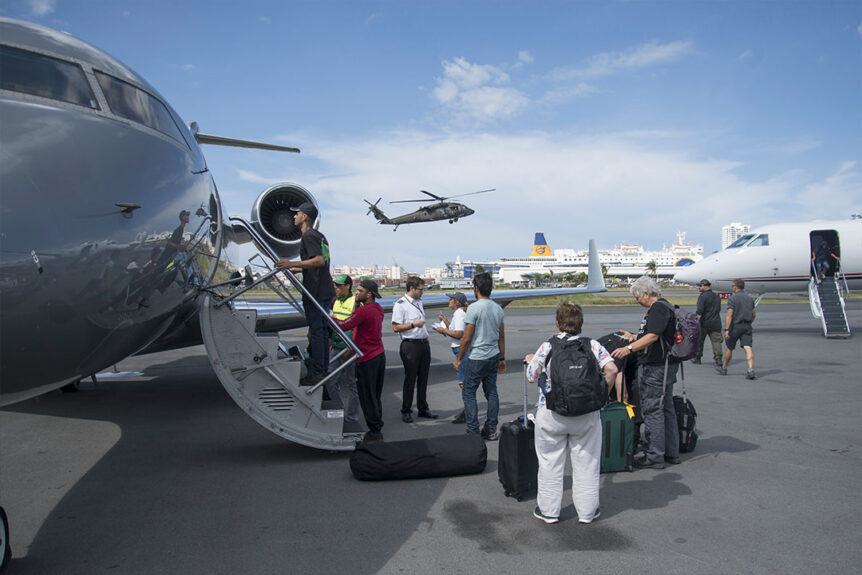
In the first hours after a disaster, the biggest challenges are time and access. Flooded roads, damaged ports, and disrupted supply chains can delay everything from medical kits to power restoration parts. Private charter aviation helps close that gap by moving responders and cargo quickly, landing closer to the need, and adapting routes as conditions change.
Below is a practical overview of how disaster relief air charter missions are planned, what aircraft types are used, and what to consider when moving critical or regulated materials.
Why aviation is essential in the first 72 hours
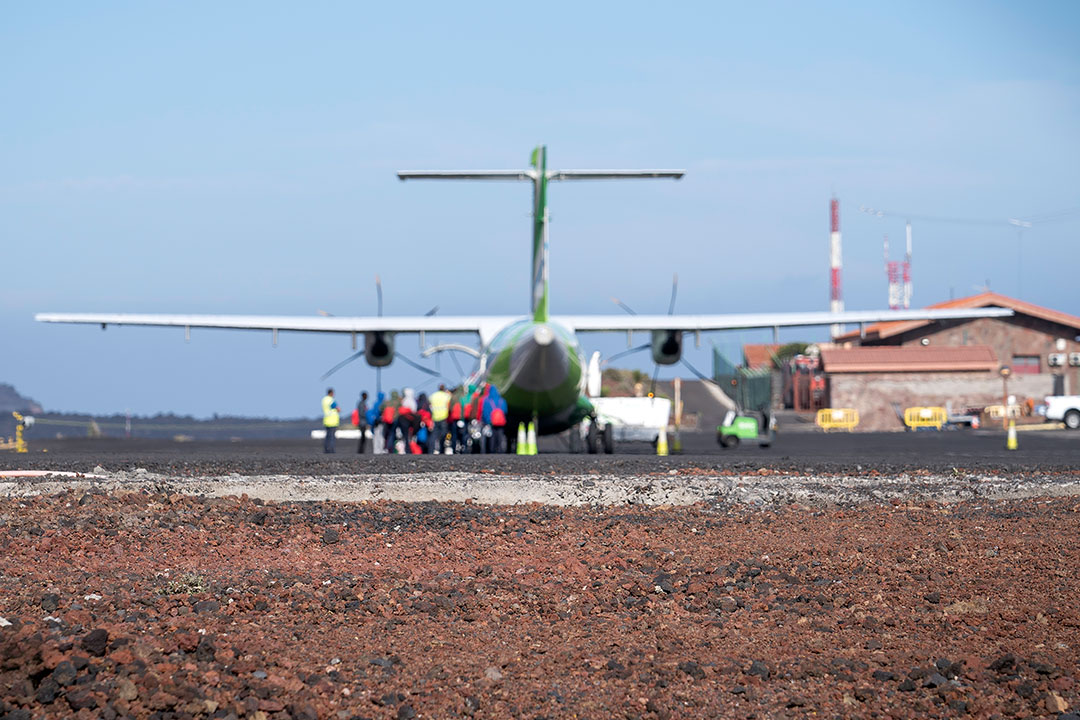
A group of refugees prepares to board a small propeller plane
Rapid mobility saves lives and stabilizes response efforts. Air transport can bypass damaged ground infrastructure and reach communities isolated by terrain or debris. For example, helicopters can deliver supplies when there is no runway, and fixed wing aircraft can shuttle higher volumes into regional airports for onward distribution.
- Speed for medical response: Air ambulance and urgent passenger charter can position clinicians, search and rescue teams, and incident leadership quickly.
- Access to cut off areas: Rotorcraft can land in tight zones, while turboprops can use shorter runways than many jets.
- Resilient logistics: Air bridges can supplement strained sea and road networks when congestion or damage slows relief flow.
Choosing the right aircraft for relief missions
Disaster relief is rarely one aircraft, one flight. It is usually a mix of platforms matched to runway limits, payload needs, and the last mile.
Light and midsize jets for personnel and high priority parts
Private jets are well suited for moving decision makers, medical specialists, and compact, high value equipment. They can also support multi stop repositioning when schedules change with evolving conditions.
Turboprops for rugged access and flexible runway requirements

UN workers preparing humanitarian help to deliver to affected people in Zimbabwe. | Photo: Suburbanium
Turboprops are often ideal for regional airports and shorter runways. They can move moderate cargo loads and teams into locations that may not be suitable for larger aircraft.
Cargo aircraft for volume and palletized freight
When relief requires generators, water treatment components, shelter materials, or bulk medical supplies, dedicated cargo charter supports higher volume uplift. Air cargo is also a key mode for time sensitive goods and emergency resupply in disrupted environments, as reflected by the International Air Transport Association guidance on air cargo’s role in global supply chains and time critical transport.
What can be flown: critical cargo categories and special handling
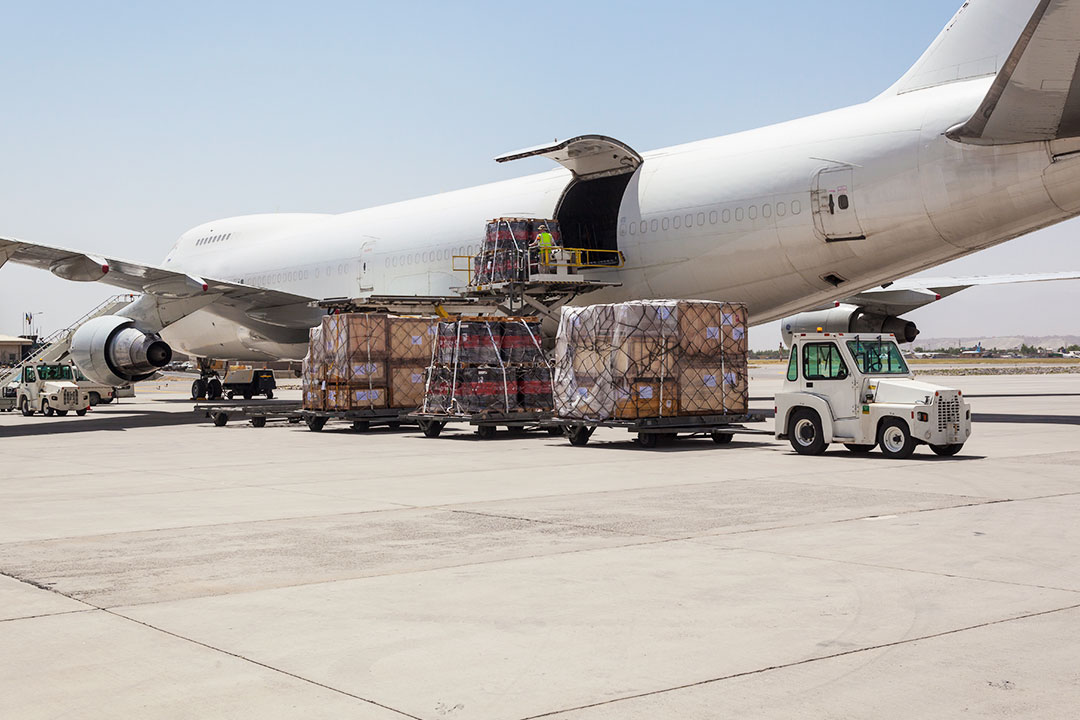
A Boeing 747 Cargo aircraft being loaded with relief supplies.
Relief flights often carry mixed consignments. Planning should identify what is truly urgent and what has regulatory or handling requirements.
- Medical and public health supplies: PPE, diagnostics, cold chain pharmaceuticals, and clinic equipment. Temperature sensitive shipments may require validated packaging and monitoring based on widely adopted pharmaceutical cold chain standards.
- Power and infrastructure parts: Transformers, network components, pumps, and satellite communications gear.
- Food and water logistics: High calorie rations, water purification, and mobile kitchen components.
- Hazardous materials: Some batteries, fuels, oxygen cylinders, and certain chemicals may fall under dangerous goods regulations and require compliant packaging, documentation, and operator acceptance checks.
Operational planning checklist for NGOs, companies, and agencies
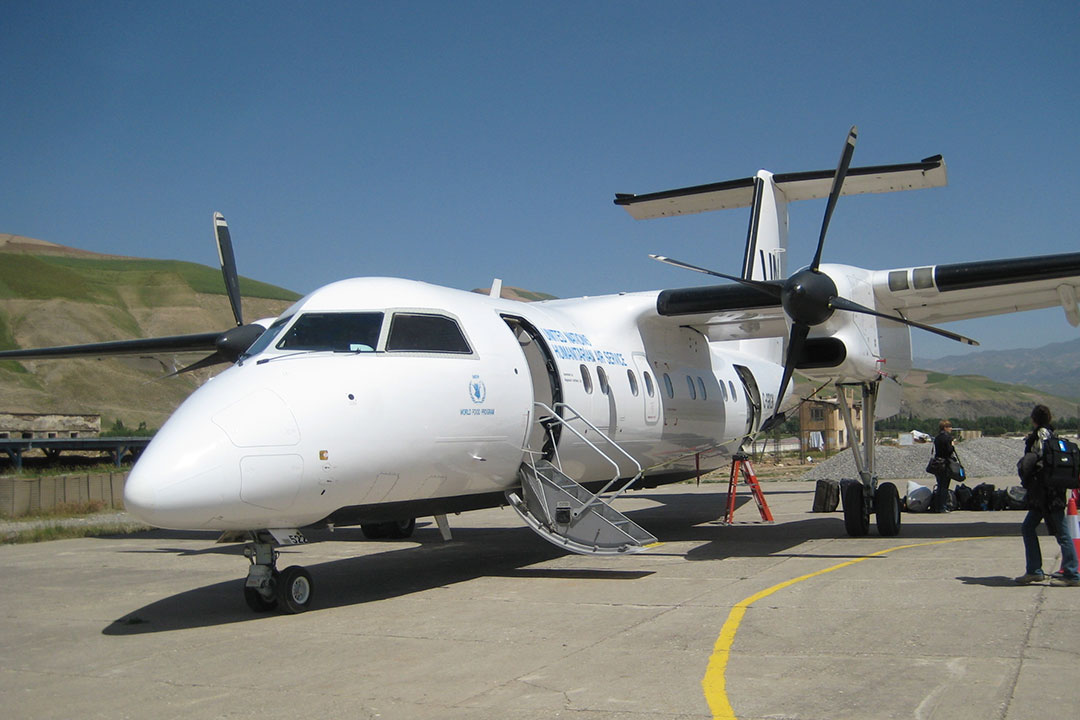
UN aid flight leaves Fayzabad for Kabul | Photo: Maximun Exposure PR
Effective disaster relief air charter work depends on good coordination and clear mission requirements. Before requesting aircraft, it helps to confirm these details:
- Origin and destination constraints: Runway length, daylight operations, fuel availability, parking, and any curfews.
- Payload and dimensions: Total weight, number of pieces, and largest item dimensions, including pallet needs.
- Priority ranking: Split shipments into must fly now versus can follow to optimize aircraft selection.
- Documentation: Customs information, consignee details, and dangerous goods declarations when applicable, aligned to standard DG frameworks.
- Ground handoff plan: Who receives cargo, where it is staged, and how it moves onward from the airfield or landing zone.
How Flex Air Charters supports rapid response missions
Flex Air Charters can coordinate aircraft suited to your mission profile, including private jets, turboprops, helicopters, and specialized cargo solutions. We support time critical routing, remote delivery planning, and clear communication so stakeholders know what is moving, when it arrives, and what is needed on the ground to receive it.
Need urgent lift for responders or critical supplies? Contact Flex Air Charters to request a disaster relief air charter quote and let our team help you select the right aircraft, routing, and handling plan for your timeline.