
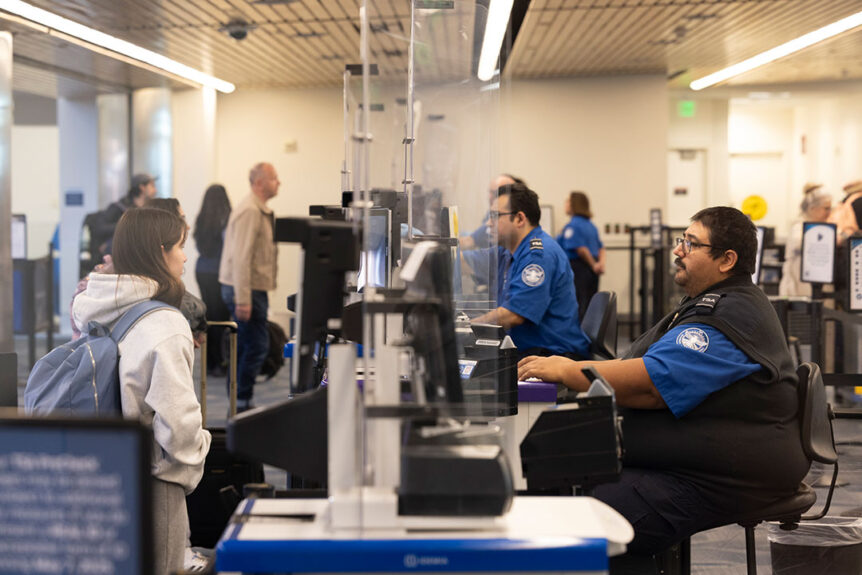
Atlanta airport private screening is now a serious policy question after the Atlanta City Council approved a formal feasibility study. The study will look at whether Hartsfield-Jackson Atlanta International Airport should move some passenger screening from federal TSA staff to private contractors. TSA would still oversee the process.
The debate follows months of frustration over federal funding lapses, TSA staffing shortages, and long checkpoint lines. Hartsfield-Jackson handled 108.1 million passengers in 2024 and remained the world’s busiest airport. At that size, any change to security screening could affect airline passengers, charter clients, airport workers, airlines, and the wider Atlanta travel economy.
Why Atlanta Is Studying Private Screening Now
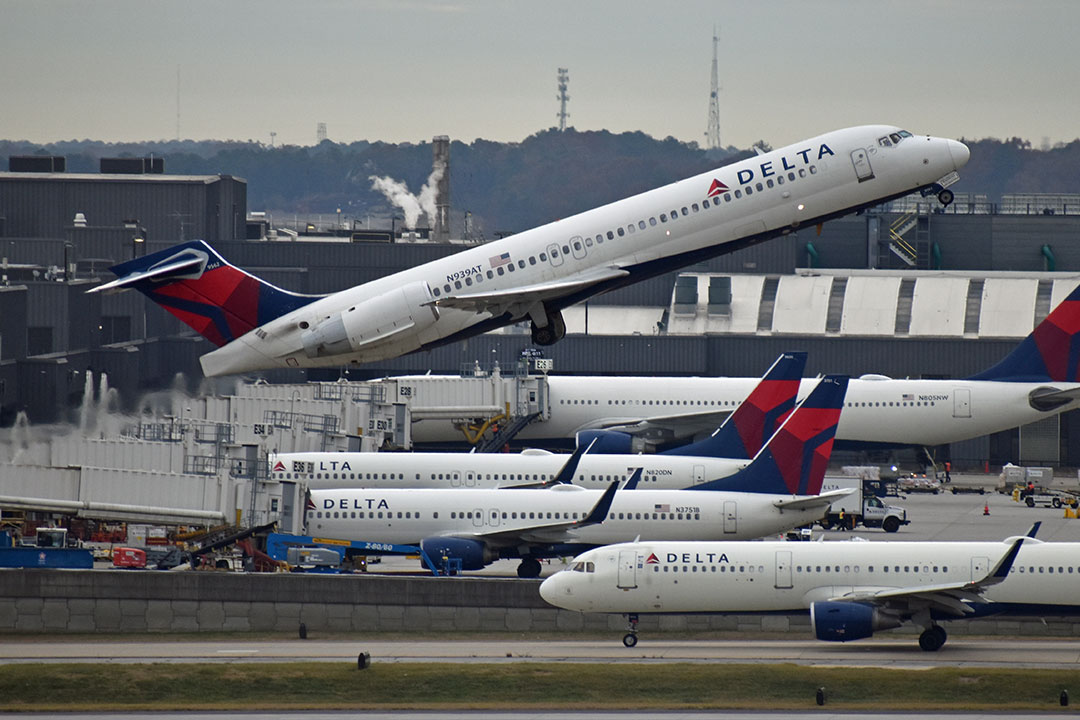
Delta Air Lines aircraft at Hartsfield-Jackson Atlanta International Airport. | Photo: Florida Chuck
The current Atlanta airport private screening discussion centers on the TSA Screening Partnership Program, also called SPP. The Atlanta City Council resolution asks the Department of Aviation to hire an independent consultant. That consultant would study whether Hartsfield-Jackson should convert TSA screening operations to a private screening model.
Local reporting shows the proposal passed 11 to 1. The study will review operations, costs, and worker protections. The proposal followed federal funding lapse disruptions that led to TSA absences, long waits, and flight impacts at Hartsfield-Jackson.
In March 2026, travelers at Hartsfield-Jackson faced security waits reaching up to three and a half hours. TSA was working through staffing shortages during a partial government shutdown. At a major connecting airport, those delays can spread quickly through airline schedules and passenger travel plans.
What the TSA Screening Partnership Program Means
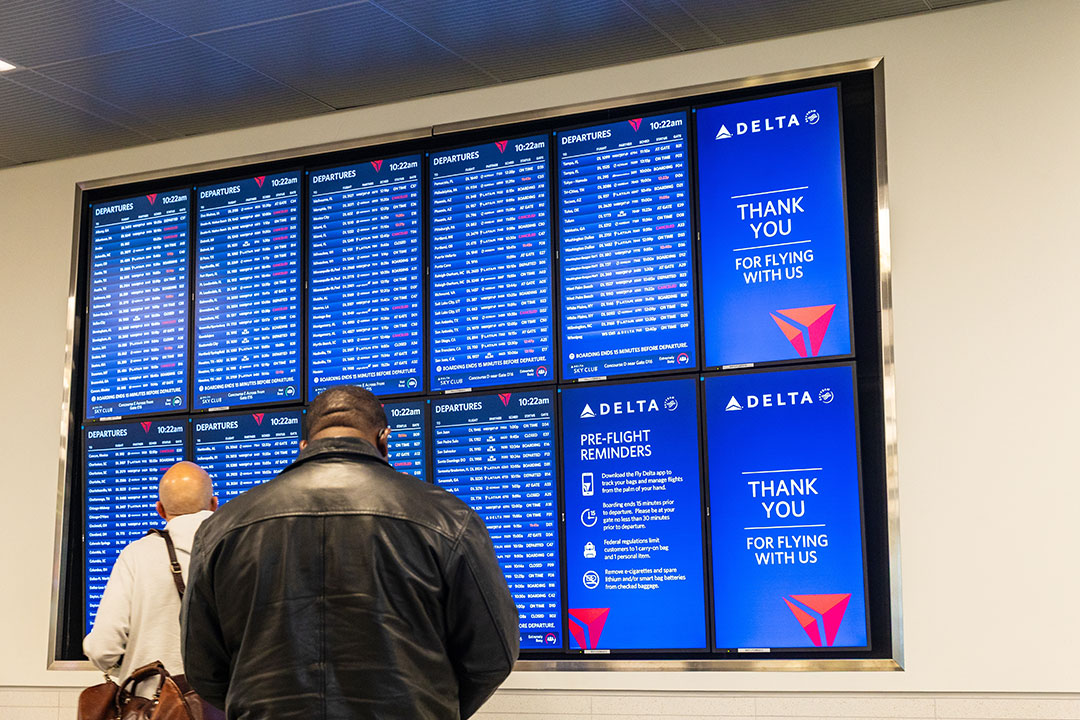
Flight information screens at Atlanta Airport during the government shutdown. | Photo: Chad Robertson Media
Atlanta airport private screening would not remove federal security rules. It would also not mean the airport becomes self-regulated. TSA says the Screening Partnership Program allows qualified private screening companies to operate checkpoints under TSA oversight. TSA also says all federalized airports are eligible to apply.
Federal law sets worker standards as well. A qualified private screening company must employ workers who meet rules that apply to federal airport screeners. It must also provide pay and benefits that are not less than those given to comparable federal personnel. In simple terms, this is a public-private model, not a full removal of TSA authority.
Key Issues the Study Is Expected to Review
- Operational resilience: Could private contractors help reduce checkpoint disruptions during future funding lapses?
- Passenger experience: Could screening lanes move more predictably during peak travel periods and major events?
- Cost structure: Would a private model be more efficient at a 100-million-passenger airport?
- Workforce protections: What would happen to TSA employees, benefits, seniority, and job security?
- Federal compliance: How would contractors meet TSA rules, training standards, and performance goals?
Why This Matters for Commercial and Private Travelers
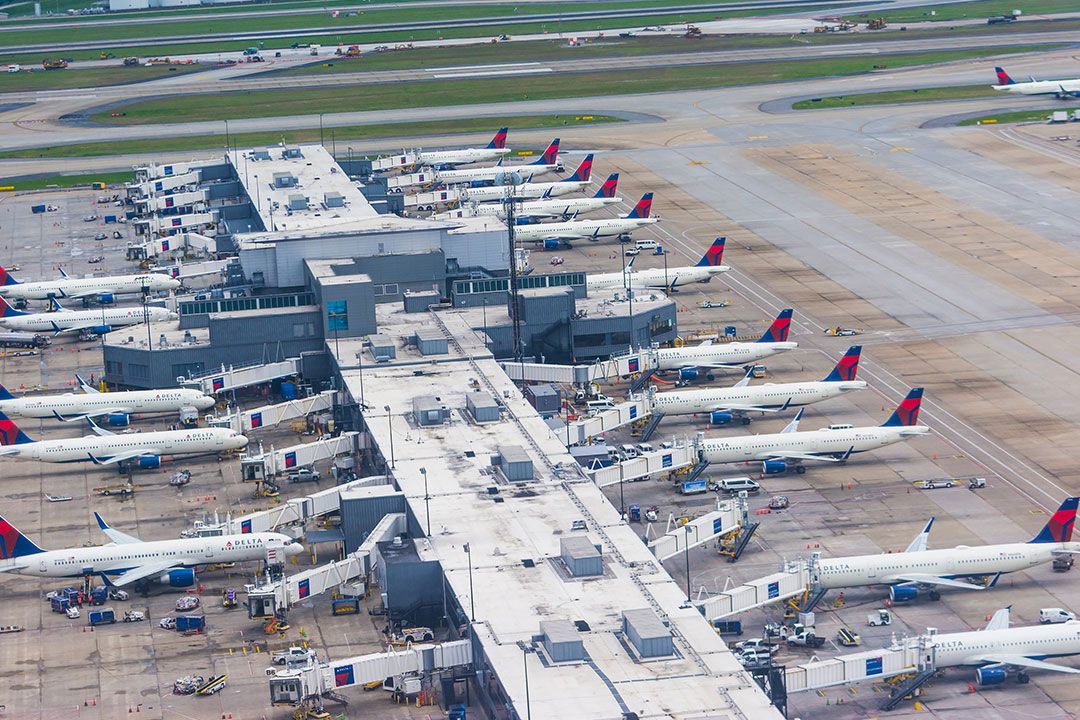
Aerial view of Hartsfield-Jackson Atlanta International Airport. | Photo: M_Makarov
The issue matters beyond standard checkpoint lines. Hartsfield-Jackson is a major hub for Delta Air Lines, domestic travel, international arrivals, cargo operations, and regional aviation. When TSA lines slow down, passengers can miss flights. Crews can also be delayed, and nearby airports may feel added pressure.
For private aviation clients, the direct screening process is different from the commercial terminal. Still, the regional travel impact is real. Corporate travelers often combine airline flights, ground transfers, and charter flights in one trip.
A major delay at ATL can affect meeting times, aircraft positioning, crew duty limits, and same-day travel plans. That is why charter planning often includes backup airports, flexible departure windows, and other contingency options.
Labor Concerns and Political Debate
The proposal has drawn resistance. TSA workers and former officers are watching the privatization study because of concerns about federal benefits, job security, and whether workers would remain federal employees.
Councilman Byron Amos sponsored the resolution. Councilmember Kelsea Bond opposed it and raised concerns about protecting public sector and union jobs at the airport. That debate will likely stay central as Atlanta studies whether Atlanta airport private screening can improve reliability without weakening worker protections.
How TSA Gold+ Fits Into the Bigger Picture
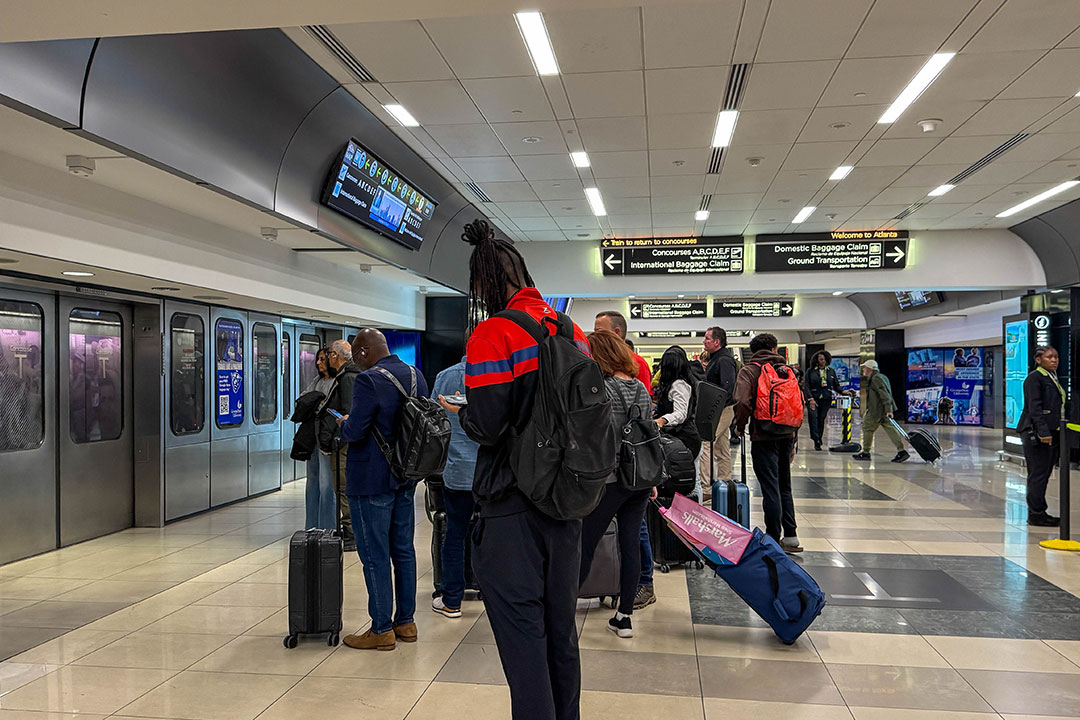
Passengers waiting for the Plane Train at Hartsfield-Jackson Atlanta International Airport. | Photo: Joni Hanebutt
The timing also overlaps with TSA Gold+. TSA describes Gold+ as a public-private partnership concept that combines the Screening Partnership Program with innovation tools. The goal is to modernize airport security at select airports.
TSA says the program can expand screening capacity, improve customer experience, and bring private-sector support into aviation security. That makes Atlanta’s study more than a local airport issue. If Hartsfield-Jackson applies for SPP or a related model, it could become a major test case for private screening at large U.S. hub airports.
What Travelers Should Watch Next

Delta Air Lines aircraft at gates at Hartsfield-Jackson Atlanta International Airport. | Photo: marchello74
The most important point is simple. Atlanta has not replaced TSA. The city has only approved a feasibility study. That study will review whether Hartsfield-Jackson should move TSA screening operations to a private screening model under the TSA Screening Partnership Program.
The next step is analysis. After that, city and airport leaders could decide whether to apply for the federal program, test a limited pilot, or keep the current system. City leaders want the study completed within 90 days. If Atlanta moves forward, Hartsfield-Jackson would become the largest U.S. airport using privatized passenger screening.
For now, travelers should check real-time airport guidance and arrive early during busy travel periods. Charter and business travelers should also build flexibility into their plans. The Atlanta airport private screening study could become an important aviation policy turning point. Its success will depend on whether Atlanta can balance speed, security, worker stability, cost control, and passenger experience at one of the world’s most important airports.